Date de création : 23.05.2014
Dernière mise à jour :
02.06.2014
1 articles
Greenpeace Activists Jump Aboard 2 Drill Rigs In Arctic Prot
 Fifteen boarded a rig located about 109 miles from the Bear Island nature reserve, said Juha Aromaa, a spokesman for Greenpeace , The Associated Press reported. The rigs owned by the Norwegian energy company Statoil and workers did not try to prevent the Greenpeace members occupation, AP reported. Another 30 or so activists also boarded a rig thats contracted by the Russian company Gazprom to operate and drill in the Pechora Sea, AP reported. But their occupation there only lasted five hours. Greenpeace activists say they were all removed by authorities for the company, AP reported.
Capitalize on the Offshore Drilling Recovery With National Oilwell Varco (NOV)
 Due to this, offshore drilling companies began construction on an enormous number of offshore drilling rigs. Naturally, this also led to an enormous demand for equipment for these rigs, such as that manufactured by National Oilwell Varco (NYSE: NOV ) . Of course, as many of you know, this boom ended around the end of last year, and the offshore drilling sector is currently in a slowdown; this has naturally resulted in offshore drilling contractors ordering fewer rigs from shipyards. This hasin turnled to a reduction in the demand for equipment for these drilling rigs. This is one reason why National Oilwell Varco recently stated that it expects rig technology orders to decline this year compared to last. However, this slowdown is likely to be short term, and once the industry speeds up again these orders will likely increase.
Greenpeace Boards 2 Drill Rigs in Arctic Protest - ABC News
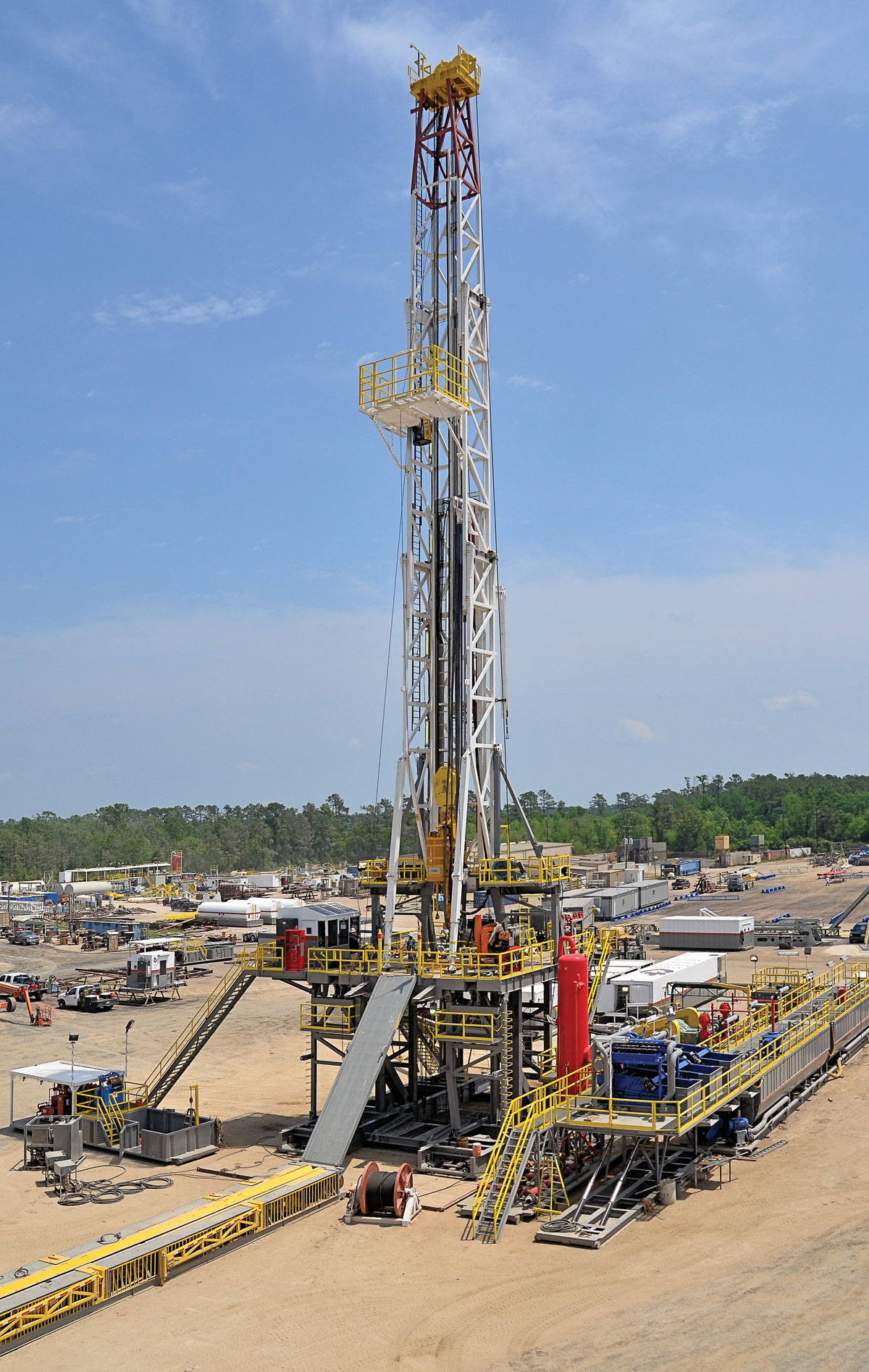 Last year, about 30 Greenpeace activists were arrested and charged with piracy by Russia when they boarded an OAO Gazprom (GAZP) platform in the Pechora Sea, the first to pump oil in the countrys Arctic waters. Dutch police arrested about 30 activists this month in Rotterdam as they tried to prevent a tanker from delivering the first crude from Gazproms platform. State-controlled Statoils approval to drill the Hoop well was suspended last week pending the examination of a Greenpeace complaint by Norways Climate and Environment Ministry . The ministry has allowed Statoil to start operations while it studies the complaint, though it cant drill in oil-bearing layers, the Stavanger-based company said today.

Greenpeace Boards Rig Heading for Norway’s Northernmost Drilling - Bloomberg
 Norwegian police were not planning to intervene because the rig had not started drilling and was therefore under the jurisdiction of the flag state, the Marshall Islands, said Ole Saeverud, police chief in the northern city of Tromsoe. Erlend Tellnes, a Norwegian protester on board the rig, said the activists had enough supplies for "a long time" and could get supplied again from shore if necessary. "We have a lot of food and we are prepared to stay here as long as we can," he said by telephone, adding that there was a "fairly good relationship" between the activists and the workers on the rig. In a statement, Statoil said its safety measures in the "very unlikely" event of an oil spill were robust, and described the Greenpeace action as irresponsible and illegal.
Japan enters a new stage of shale oil drilling « The Barrel Blog
 Kodama said that the Fukumezawa oil field currently produces around 15 kl/d (94 b/d) of conventional crude. If the output proves to be economical, Japex could make commercial production within 2015 after building a 1-km pipeline from the well to its crude distribution center at the Fukumezawa oil field, Kodama said. Kodama said even if test output does not reach 100 kl/d, output from the horizontal well will be economical after connecting to its existing pipeline networks and other facilities at the oil field. In early April, Japex started commercial production of tight oil at its wholly owned onshore Ayukawa oil and gas field, also in Akita. It started producing around 220 b/d of medium-grade crude from the Onnagawa formation, using the existing vertical Kurosawa AK-1 well after it produced 252 b/d during its second flow test over May 13-July 10 last year.
Greenpeace Activists Board Statoil Drilling Rig - WSJ.com
 Seperate multiple addresses with Commas. Must enter an email address. You must enter the verification code below to send. Invalid entry: Please type the verification code again. May 27, 2014, 3:43 a.m.